Why Your PageSpeed Score Is Directly Costing You Revenue
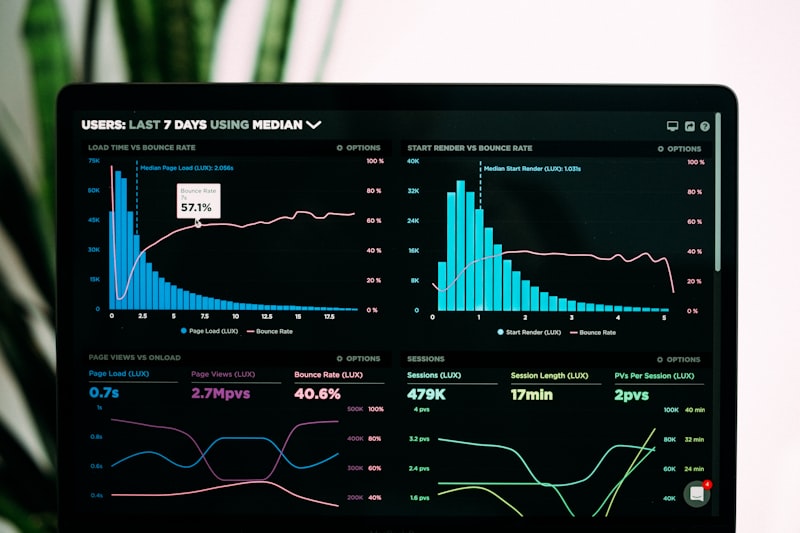
The Data Google Does Not Want You to Ignore
Google has been explicit about this for years: page speed is a ranking factor. But most business owners still do not understand just how severe the impact is.
Here are the numbers:
53% of mobile visitors leave a site that takes more than 3 seconds to load (Google, 2023)
A 1-second delay in page load time results in a 7% reduction in conversions (Akamai)
Pages that load in 1 second have a 3x higher conversion rate than pages that load in 5 seconds
Google's Core Web Vitals are now a confirmed ranking signal in search results
Your PageSpeed score is not a vanity metric. It is a revenue metric.
What PageSpeed Actually Measures
Google PageSpeed Insights measures three Core Web Vitals:
Largest Contentful Paint (LCP)
How fast the main content of your page loads. Google considers anything under 2.5 seconds as "good." Most template-based websites score between 4 and 8 seconds.
First Input Delay (FID) / Interaction to Next Paint (INP)
How quickly your site responds when someone clicks, taps, or types. If your site feels sluggish, visitors bounce before converting.
Cumulative Layout Shift (CLS)
How much your page layout shifts while loading. Those annoying moments when a button moves just as you try to click it? That is CLS, and Google penalizes it.
Why Most Websites Score Below 60
The typical small business website uses:
WordPress with 15+ plugins (each one adds JavaScript bloat)
Unoptimized images (4MB hero images that should be 200KB)
Third-party scripts (chat widgets, tracking pixels, social embeds)
Shared hosting ($10/month servers shared with 500 other sites)
Themes designed for flexibility, not performance
The result: a 40-60 PageSpeed score, 4-6 second load times, and invisible ranking penalties.
How We Hit 100/100 on Every Build
At Lunere Digital, 100/100 is not aspirational. It is the minimum. Here is how:
1. Custom code, zero bloat. No WordPress, no plugins, no template overhead. Every line of code serves a purpose.
2. Next-generation image formats. We use WebP and AVIF with responsive srcset, serving the smallest possible image for each screen size.
3. Edge deployment. Our sites deploy to global CDN networks, serving from the closest server to every visitor.
4. Code splitting. We only load the JavaScript needed for the current page, not the entire application.
5. Font optimization. Preloaded, display-swap fonts that never block rendering.
What This Means for Your Business
If your site currently scores below 80 on PageSpeed Insights, you are leaving money on the table. Not theoretically. Measurably.
Run your site through PageSpeed Insights right now. If the number makes you uncomfortable, send us a message. We will show you exactly how much that score is costing you in lost leads and lost revenue.
Ready for a site that performs like this?
Get an expert performance audit for your current website. 100% free, no strings attached.
Get My Free Audit